
4 anchor points
Four offices that keep our reading of customer needs and operational pace grounded in reality.
ApsionScan was not designed to look impressive in a demo. It was designed to reduce mistakes, streamline operations and help teams stay in control of their stock.
Our team works with one simple ambition: offer software that is solid, clear and fast to adopt for SMBs that do not have time to wrestle with heavy systems. Today, we have offices in the United States, France, Spain and Germany.
What we do
International footprint
Field-first mindset
Living product
ApsionScan relies on international presence to stay close to operational needs, client rollouts and market realities.
We have offices in the United States, France, Spain and Germany. That footprint helps us talk to logistics teams in different environments while keeping our focus on what matters most: a product that is easy to use and reliable when activity gets intense.
This presence is not decorative. It shapes the way we design the product, support teams and prioritize the improvements that deliver immediate operational value.

Four offices that keep our reading of customer needs and operational pace grounded in reality.
The product is built for teams working across languages, warehouses and countries.
We want to stay accessible, close to real feedback and fast in product iteration.
Our footprint
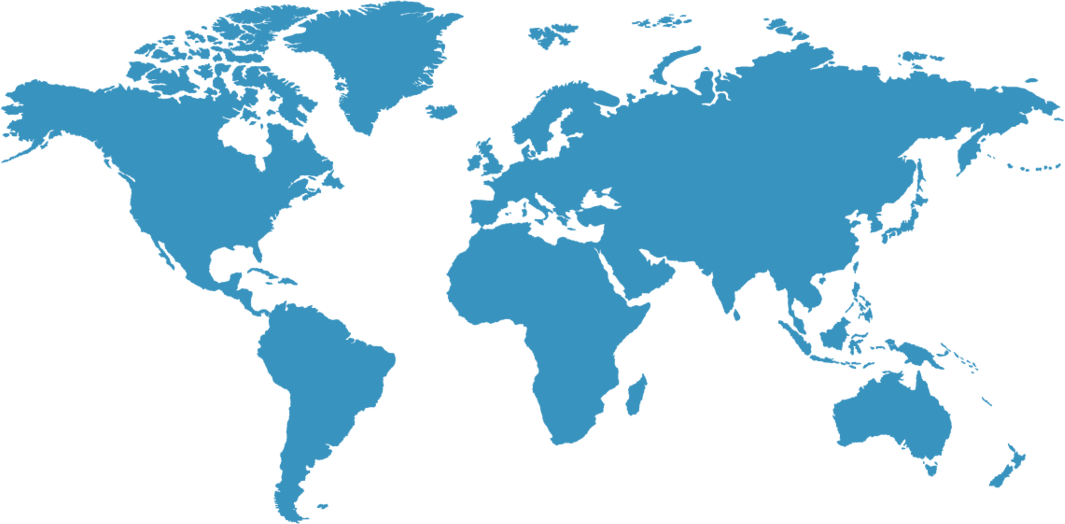
On mobile, you can also use the cards below the map to explore each office comfortably.
In many warehouses, the true cost does not come only from a stock discrepancy. It comes from all the micro-frictions that slow teams down: searching for an item, doubting a location, correcting a movement or redoing a count because the tool does not help enough.
We saw teams juggling Excel, paper, isolated scanners and rigid software. The result was fragile processes, incomplete visibility and a dangerous dependency on a few people who knew everything by memory.
ApsionScan was built as an answer to that: fewer unnecessary screens, more readability, more speed and more trust in the data. We want software to support operational gestures instead of getting in their way.

The problem
When a tool is slow, opaque or overly complex, teams create workarounds. That is where errors, time loss and operational fatigue start to settle in.
The answer
Our obsession is not visible feature quantity. It is making essential actions fluid: scan, locate, correct, count, trace and share reliable information.
The pace
The product moves forward through concrete iterations shaped by field feedback, observed friction points and recurring operational needs.
We are not trying to stack complexity. We are trying to build a tool that lasts, explains itself quickly and keeps delivering value when activity intensifies.
Every topic starts from an operational reality: an action that takes too long, an ambiguity, lost time, hard-to-find data or lack of visibility.
We remove unnecessary steps and screens that slow adoption down. The goal is for the tool to feel natural for teams that need to move fast.
Simplicity does not mean fragility. We care about traceability, data consistency and an experience that stays solid when volumes increase.
We treat user feedback as ongoing working material. A good product is built with operations, not from a distance.

More clarity. More confidence in stock data. More speed in daily operations. And a clear sense that the software was designed to help them, not slow them down.
Our presence in the United States, France, Spain and Germany helps us keep the product grounded, readable and aligned with multiple operational realities.
We want feedback to travel fast, friction to be understood fast and useful improvements to arrive without unnecessary inertia.
One warehouse, several sites, more references, more users: operational complexity already grows on its own. The software should remain clear and dependable.
Try ApsionScan and see what changes when the product is designed first for the teams that actually work with it.